Long before minimalist interiors became fashionable, collectors curated spaces known as Wunderkammern, rooms of wonder designed to display objects of curiosity, craftsmanship and personal significance.
Today, this idea is returning, reinterpreted for contemporary living.
Modern collectors are moving away from uniformity and towards personal expression. Rather than pristine, sparse interiors, many are embracing layered spaces filled with objects gathered over time: ceramics, artefacts, textiles, travel finds and commissioned pieces that resist categorisation.
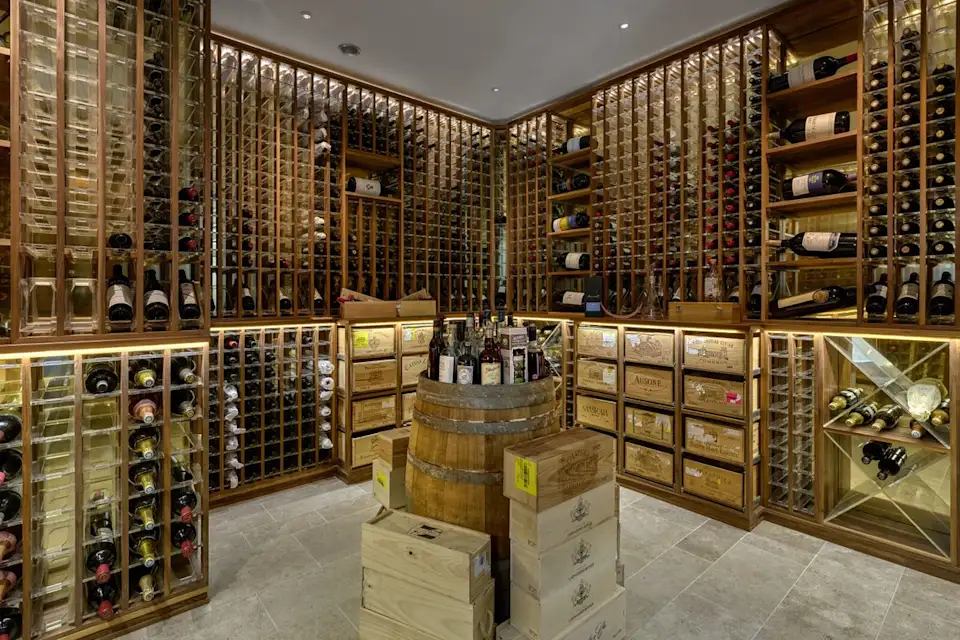
Architecturally, this shift has changed how homes are designed. Bespoke shelving, recessed niches and flexible display areas allow collections to grow organically. Materials are chosen to complement rather than compete; timber, plaster and stone providing quiet backdrops for objects that carry their own narrative weight.
The appeal of the modern Wunderkammer lies in its humanity. These interiors feel lived-in, thoughtful and deeply personal. They invite curiosity rather than admiration, encouraging guests to look closer and ask questions.
For affluent buyers, particularly those fatigued by identikit luxury, this approach offers a refreshing alternative. It celebrates knowledge, travel and individuality and values that transcend geography or trend.
British homes, with their tradition of layered history and eclecticism, lend themselves naturally to this style of collecting. When executed well, the result is timeless rather than fashionable, evolving naturally as new pieces are acquired.
In an era of instant consumption, the modern Wunderkammer reminds us that true luxury is not about accumulation for its own sake, but about meaning, memory and craftsmanship.
